World Rainforest Fund Photo Gallery
These photographs were taken by David Seaborg and Chien C. Lee.
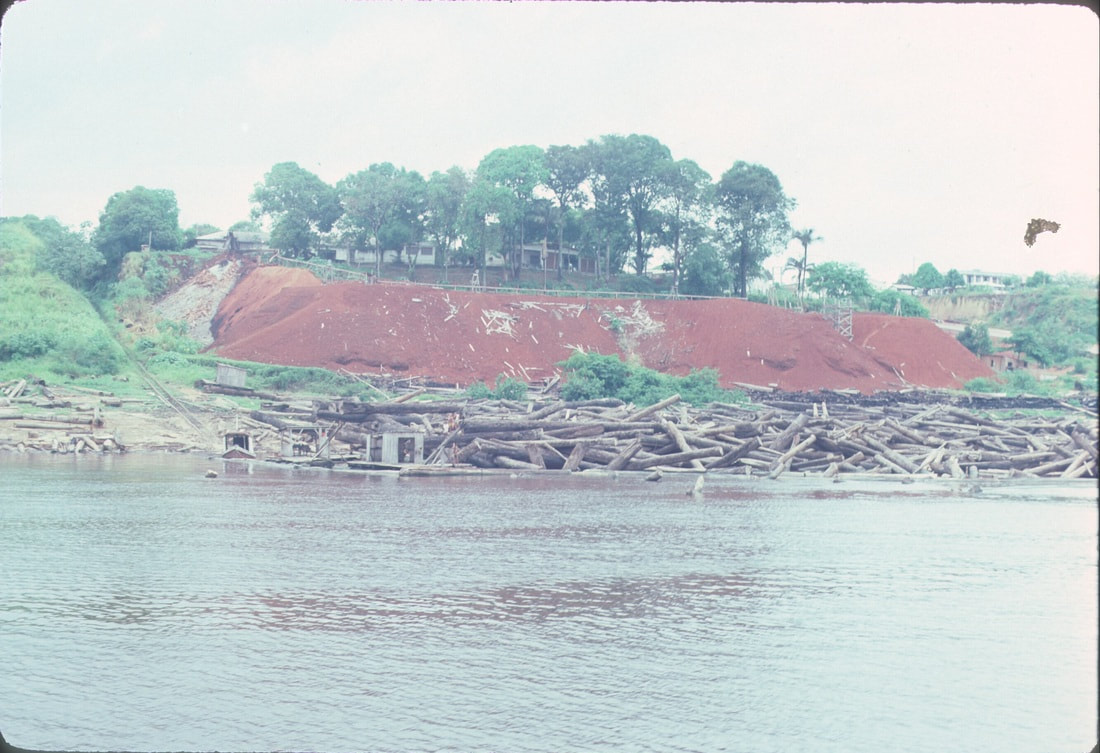
Clear-cut logging on the Amazon River, Brazil
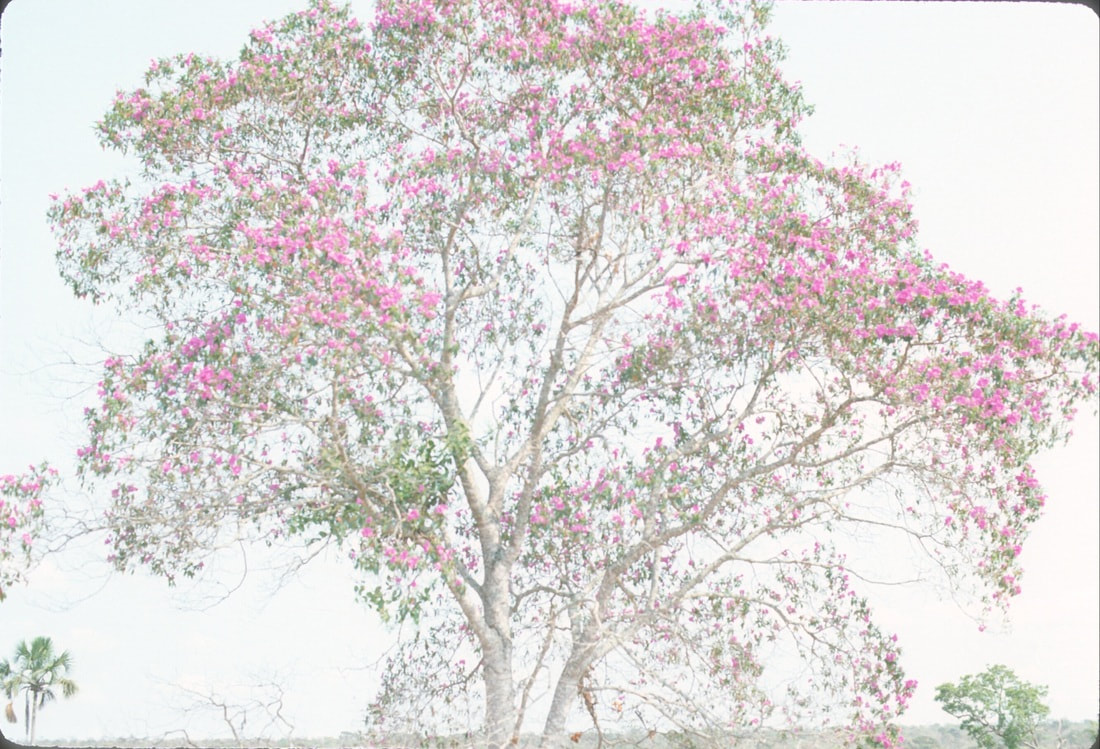
Rainforest tree in gorgeous bloom, Brazil
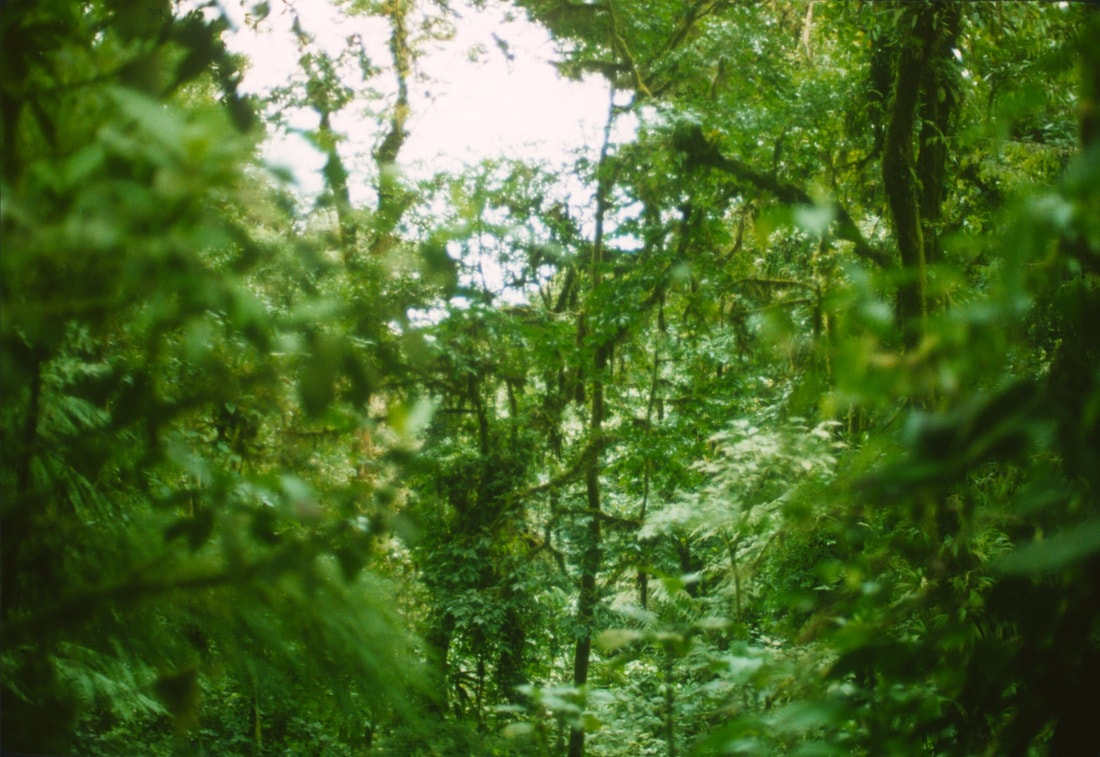
Rainforest trees up close, Brazilian Amazon
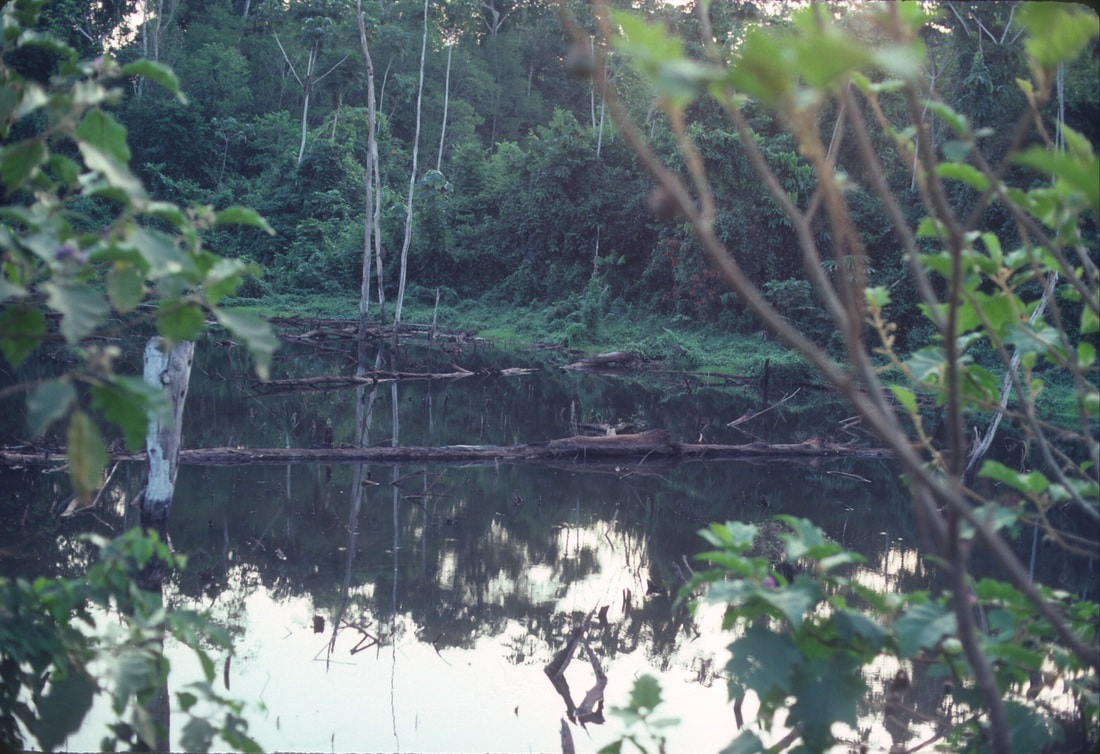
Amazon River with rainforest, Brazil
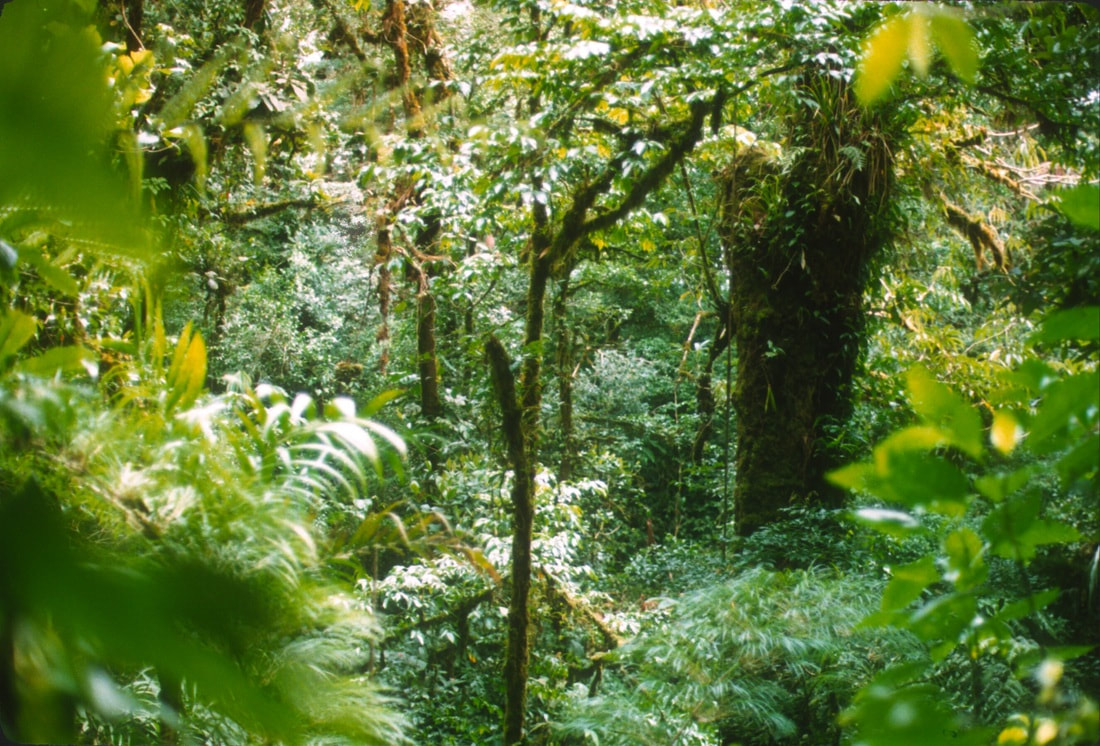
Rainforest trees up close, Costa Rica
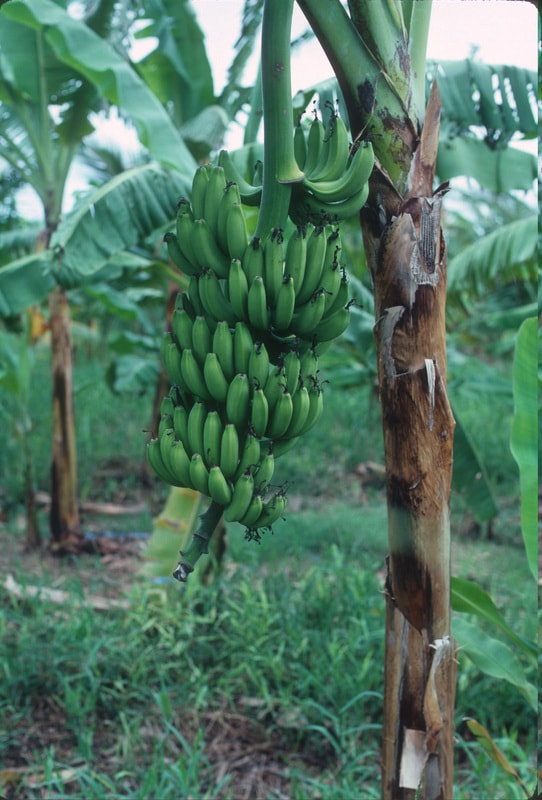
Banana trees planted in rainforest, Brazil
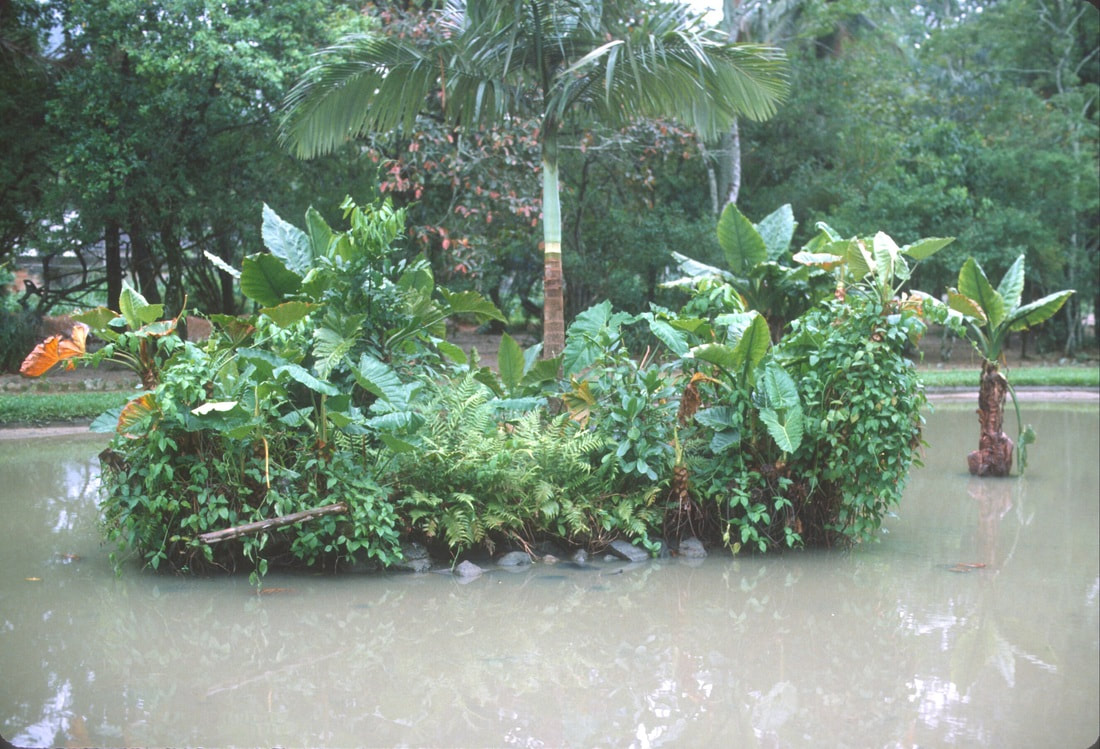
Pond and vegetation, Rio de Janeiro Bontanical Garden, Rio de Janeiro, Brazil
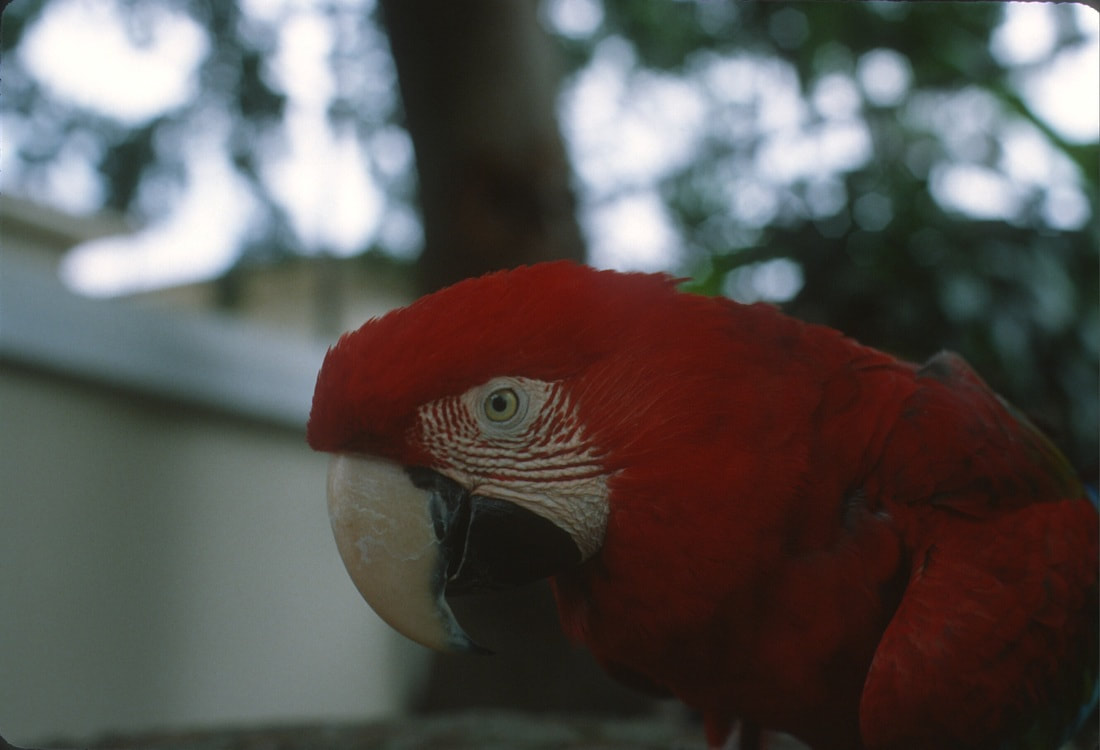
Scarlet Macaw, a rainforest bird, Brazil
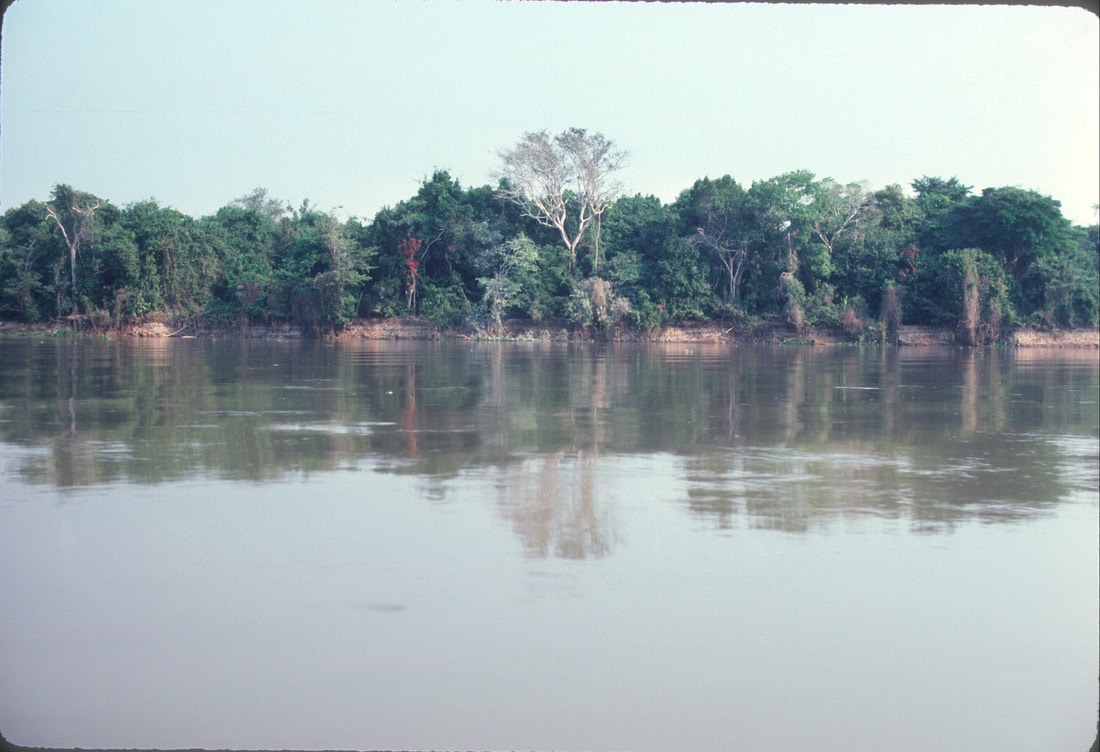
Amazon River with rainforest, Brazil
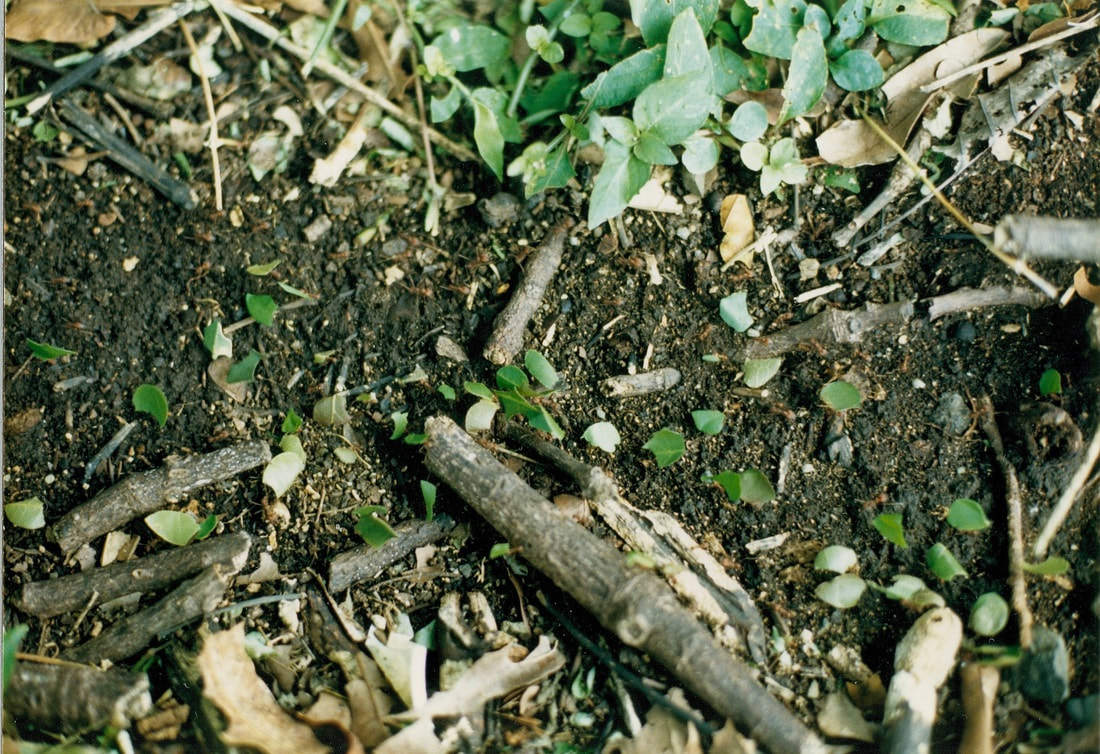
Leaf-cutter ants carrying leaves to their hive, Amazon rainforest, Brazil
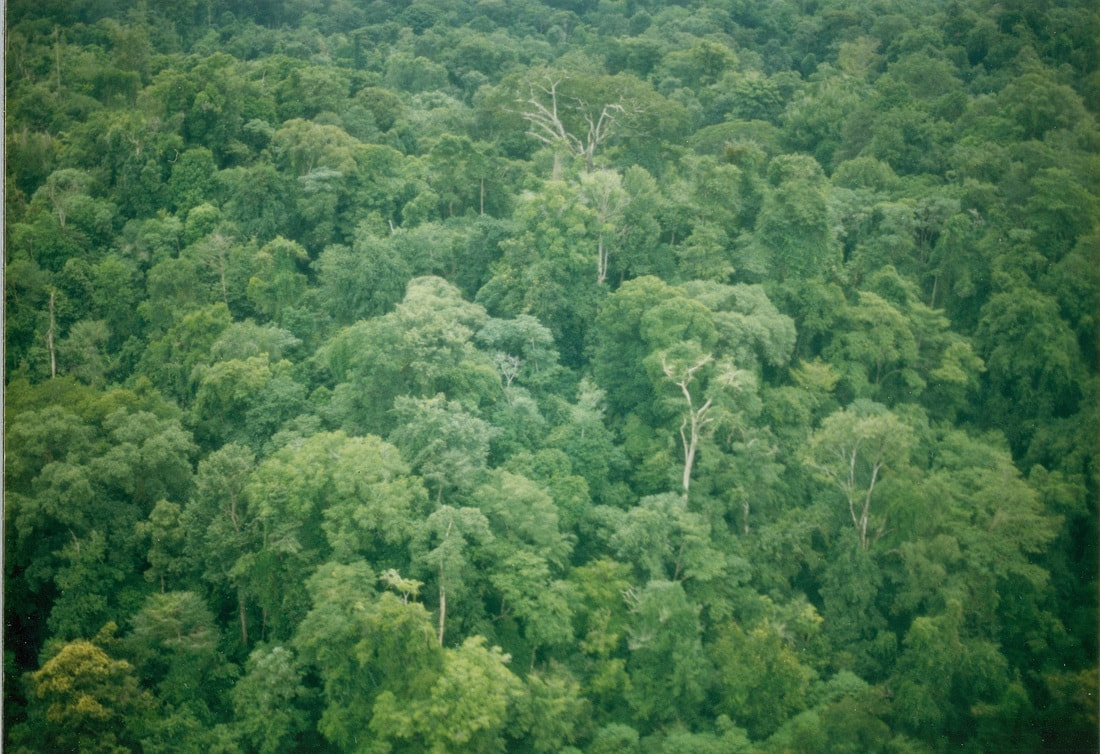
Pristine Rainforest as seen from an airplane, near Manuel Antonio National Park, Costa Rica
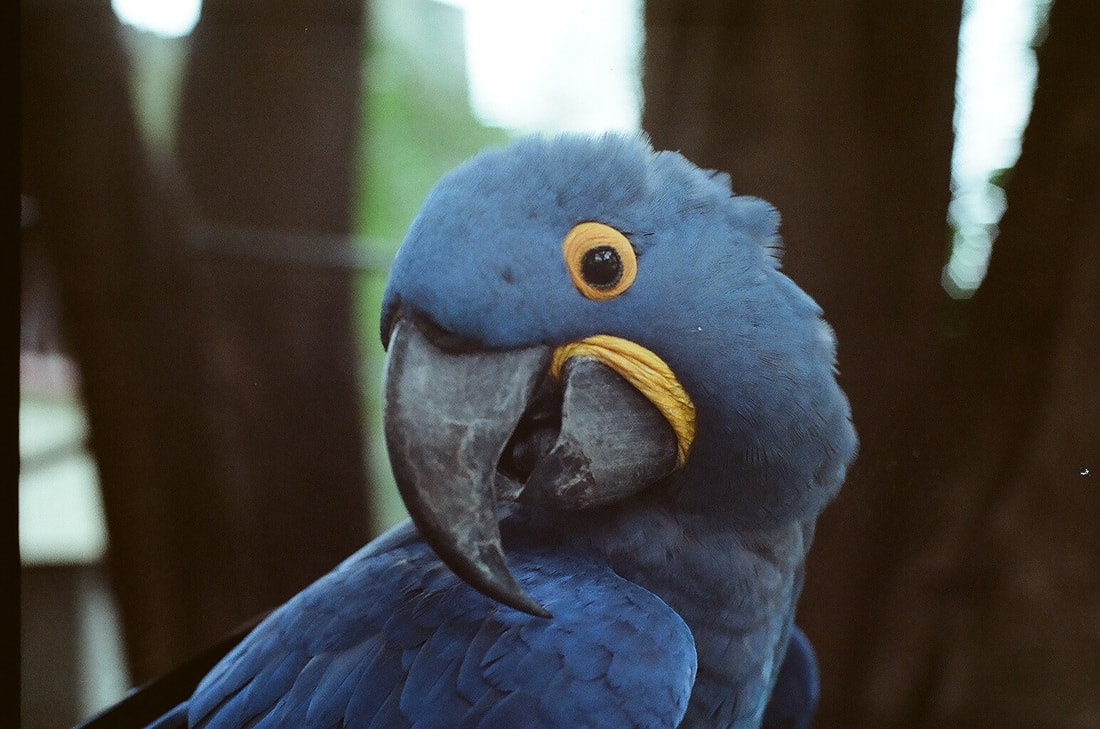
Hyacinthine Macaw (Anodorhynchus hyacinthinus), a parrot that lives in central and eastern South American rainforests. Highly endangered because of destruction of its rainforest habitat and illegal capturing for the pet trade.
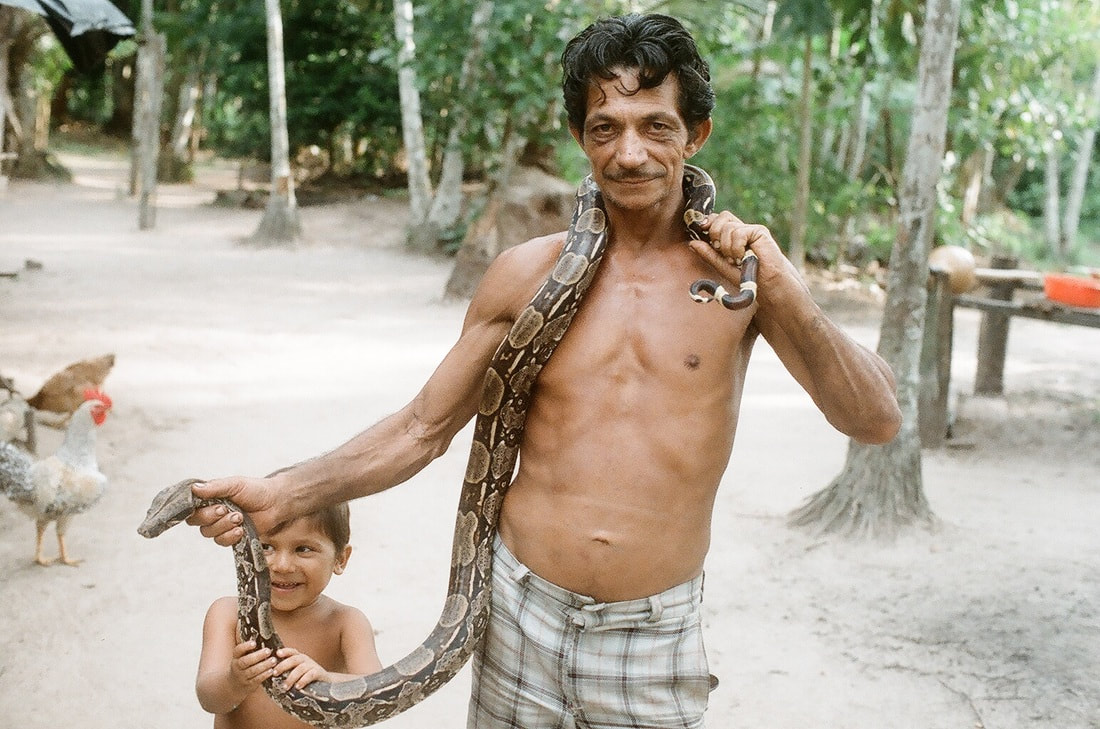
Man with his son and his pet Boa Constrictor, near Belem, Brazil. These snakes live in South America in habitats ranging from tropical rainforests to arid semi-desert country; they prefer rainforests.
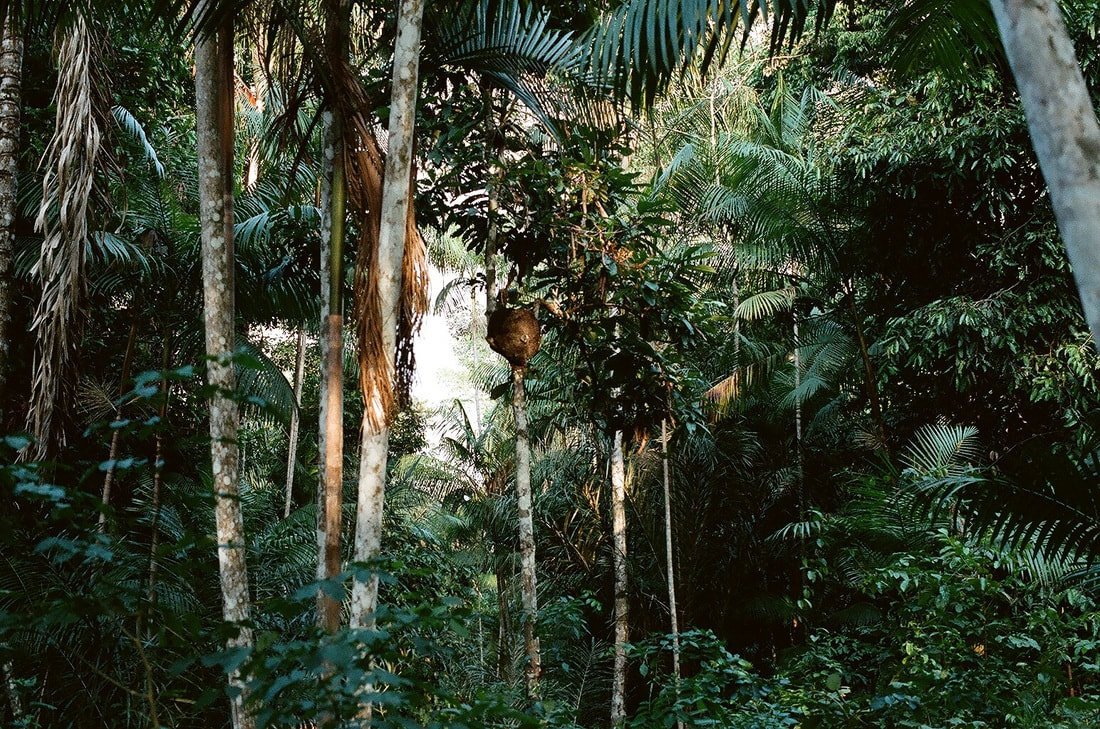
Secondary growth in rainforest, with termite nest on a tree, Brazilian Amazon
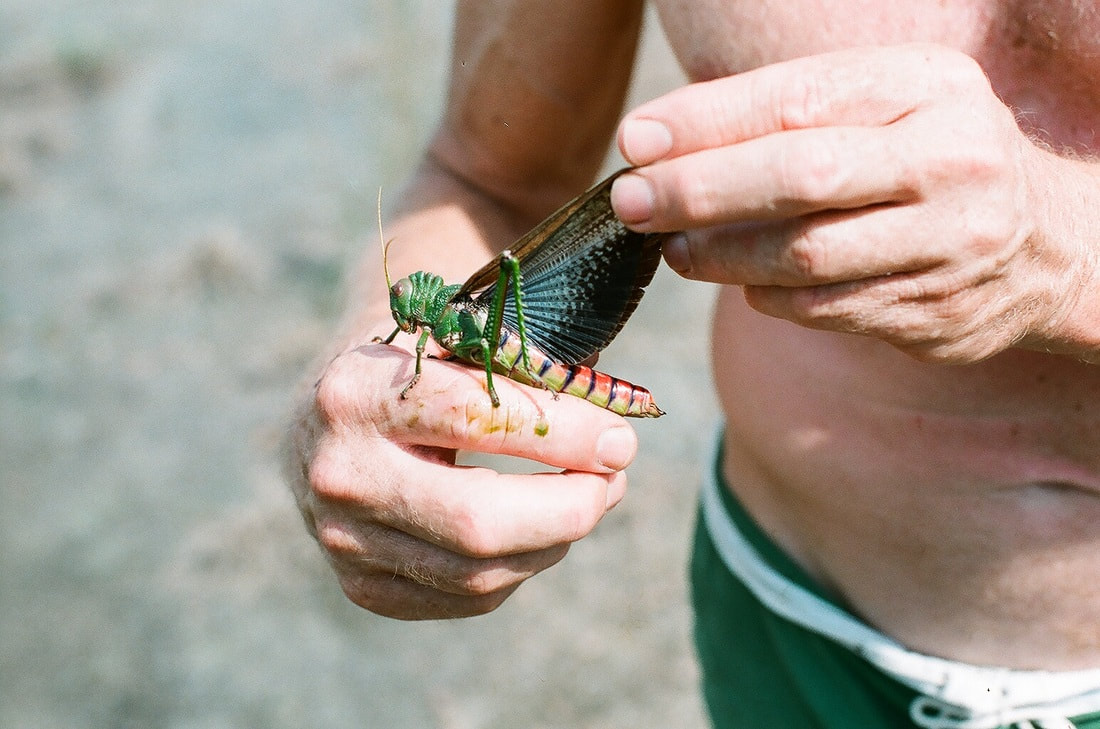
Grasshopper being held by a man showing one of its wings and a full side view of it, Brazilian rainforest, where this insect lives.
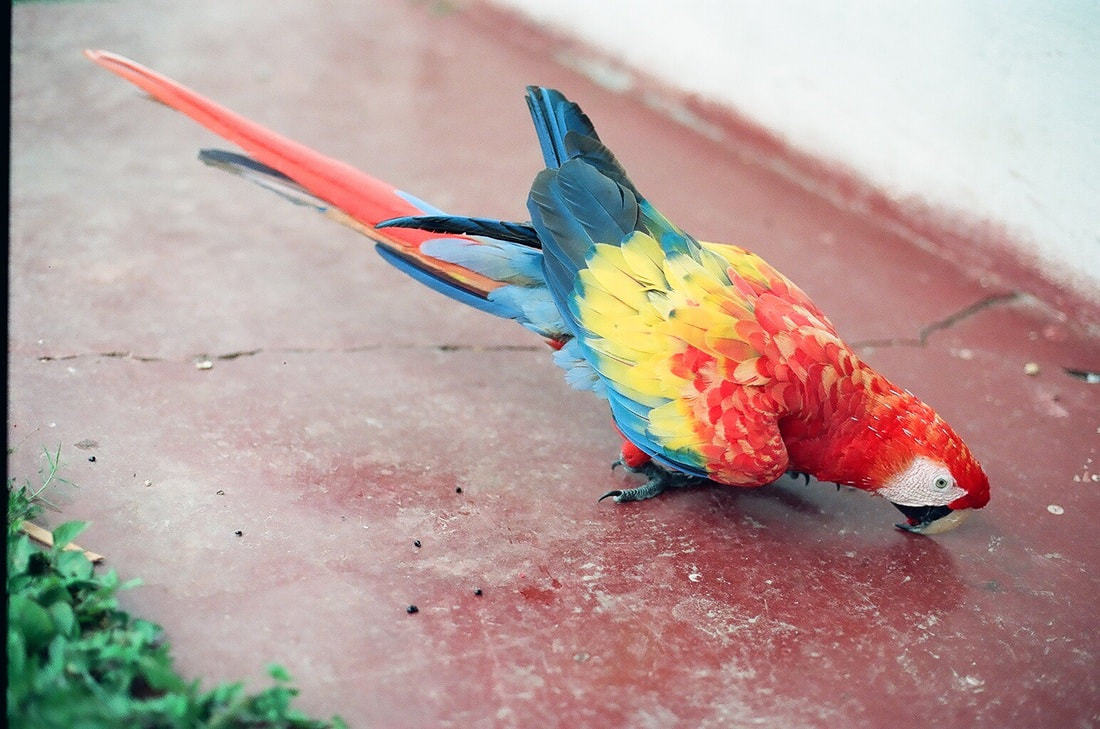
Scarlet Macaw, bird of the Amazon Rainforest, Brazil
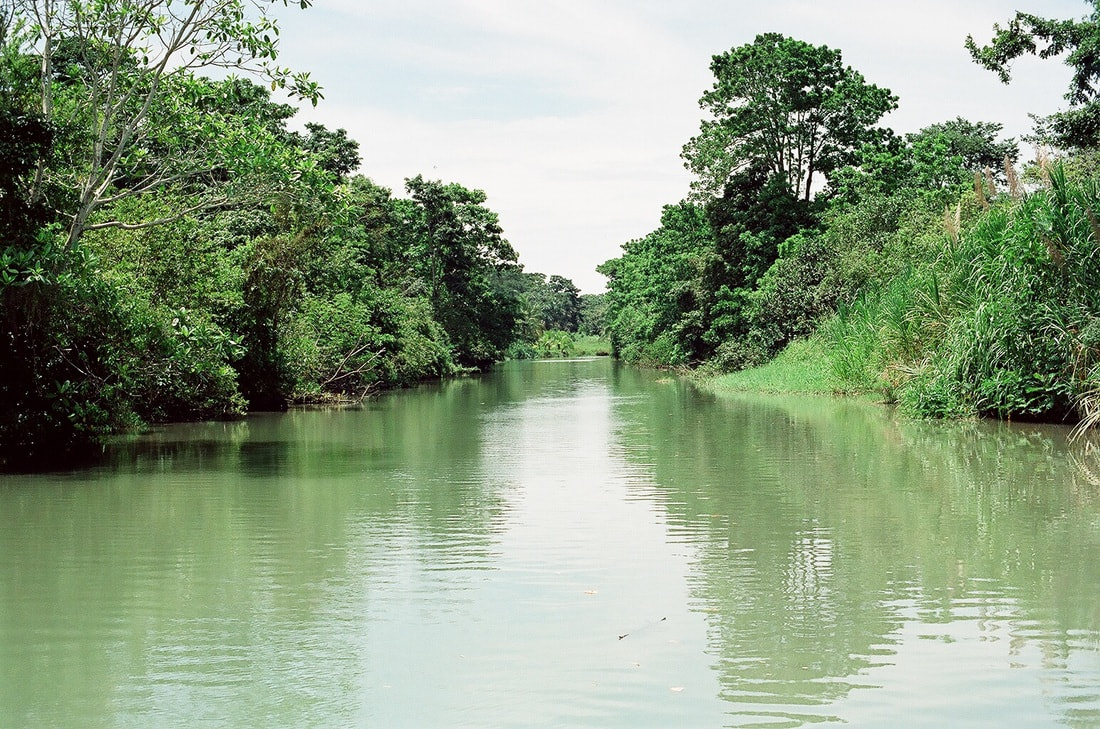
Beautiful river and rainforest in Turtoguero National Park, Costa Rica
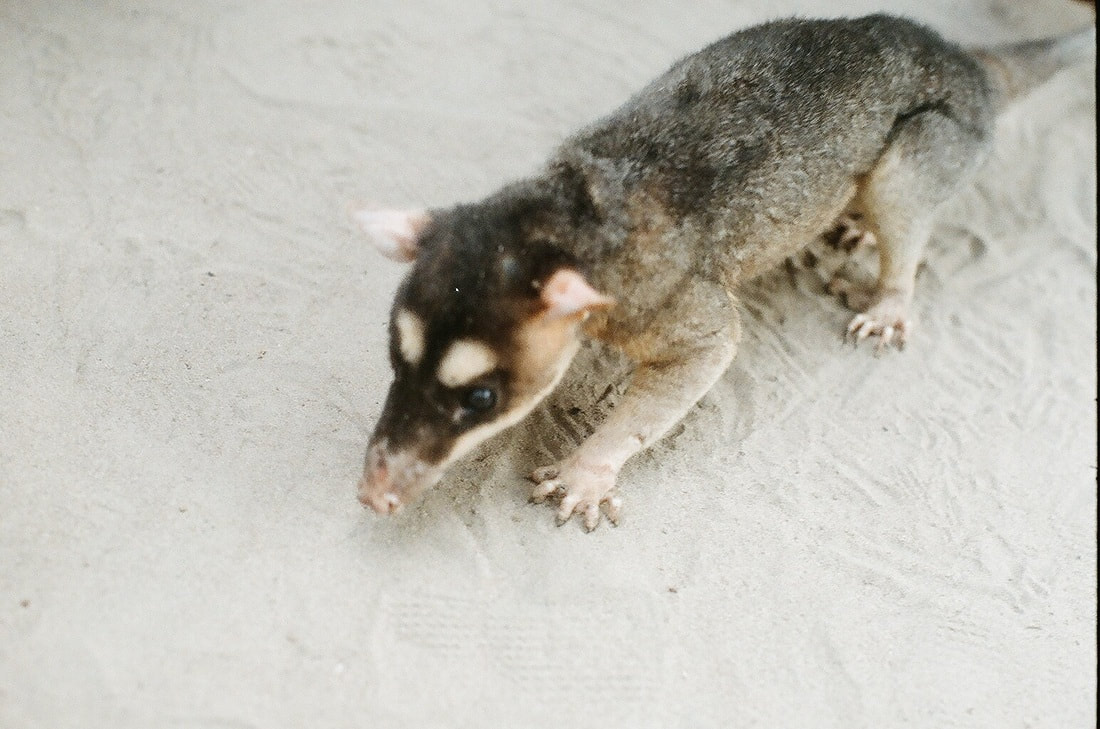
Possum, Amazon rainforest, Brazil
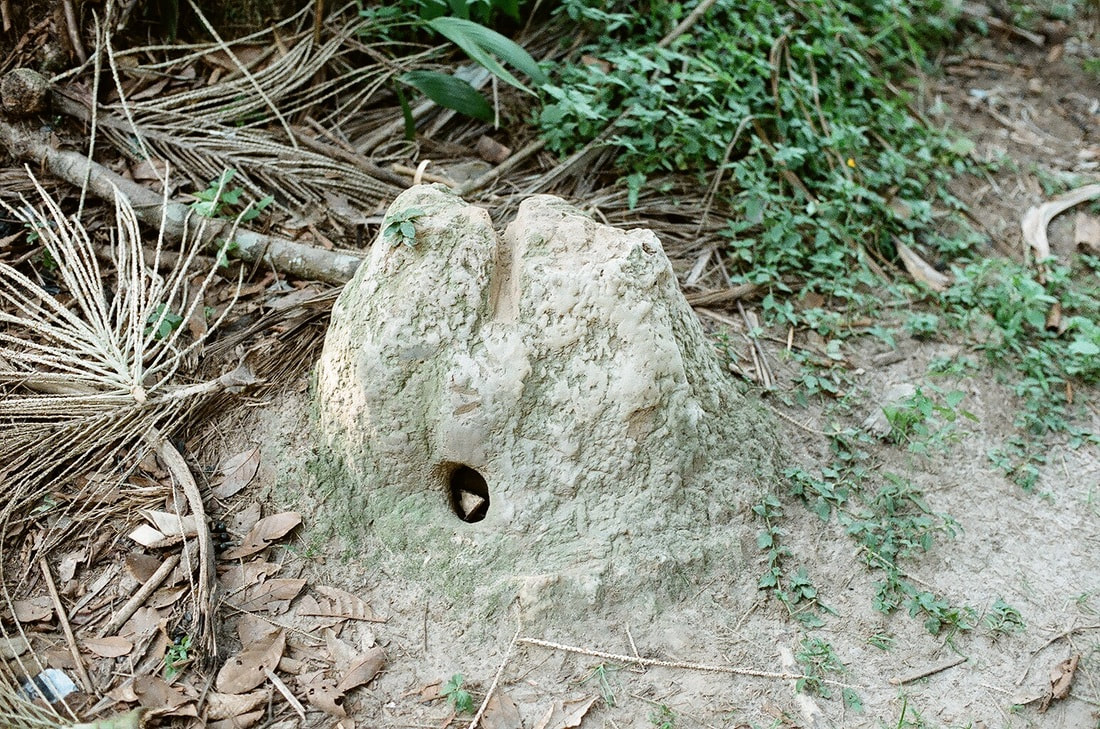
Termite mound, Brazil
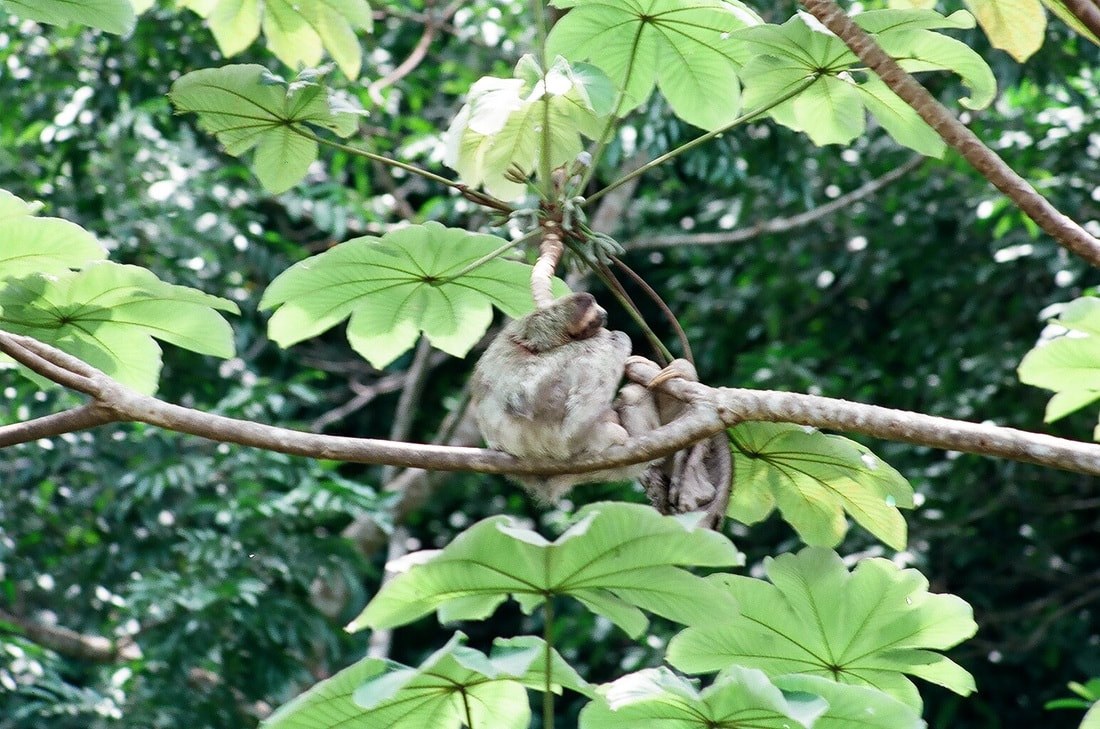
Three-toed Sloth in a Cecropia tree near Manuel Antonio National Park, Costa Rica. There are four species of three-toed sloth.
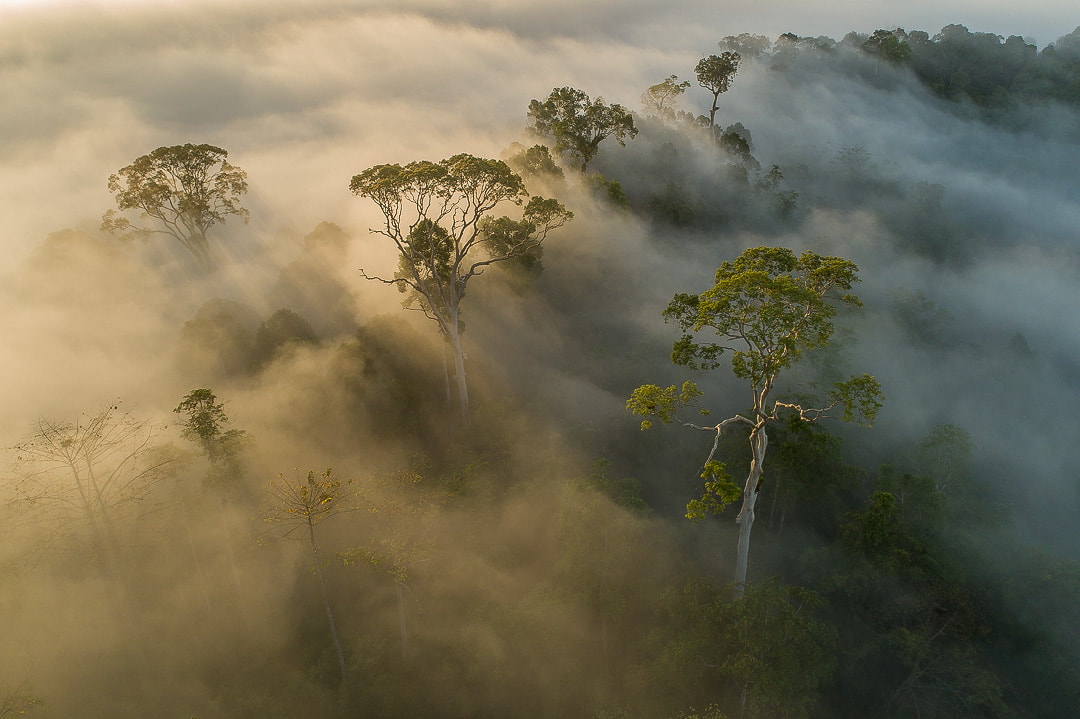
Morning sunlight scarcely penetrates the dense mist rising from virgin rainforest in the proposed Ulu Baleh National Park. This area is located deep in the remote interior of Sarawak, close to the geographic center of Borneo. Sarawak, Malaysia.
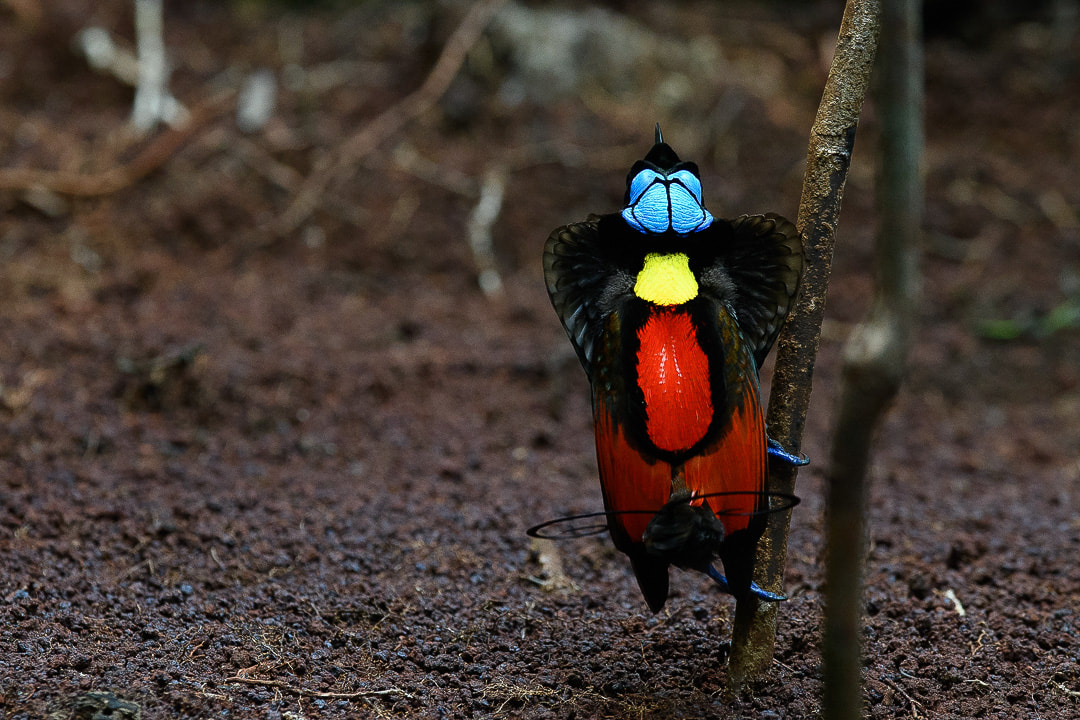
With his otherworldly plumage a male Wilson's Bird-of-paradise (Cicinnurus respublica) shows off his gaudy colors at a dancing ground he has cleared on the forest floor. Endemic to only two islands off the western coast of New Guinea, Wilson's BoP is surely one of the most bizarre in a family of birds already renowned for their exotic appearances.
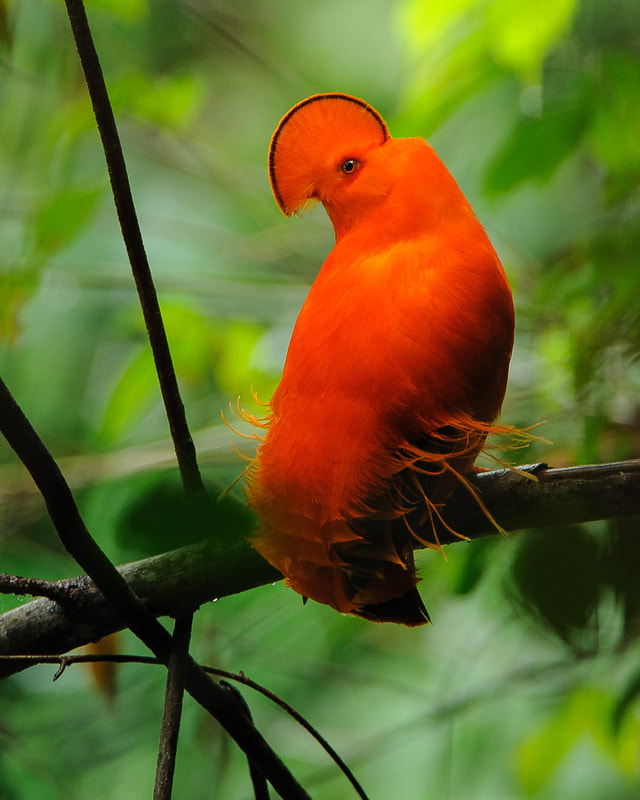
Guianan Cock-of-the-rock (Rupicola rupicola). Las Claritas, Venezuela.
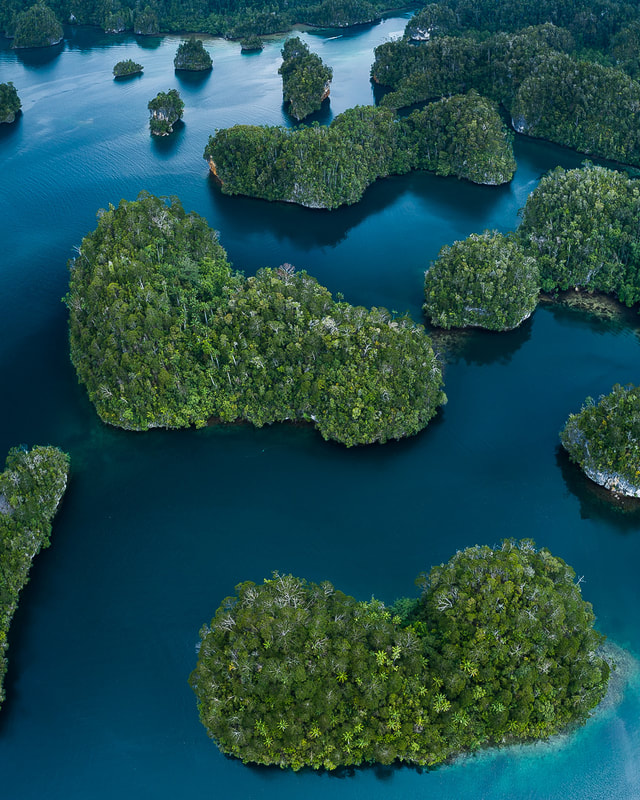
The incredible labyrinth of limestone islands within Waigeo's Kabui Bay. Lying on the northern edge of Raja Ampat, this region is home to the world's richest marine life, including 1500 species of fish and 75% of all known coral species. The islands themselves also host a diverse assortment of rainforest flora and fauna, including slipper orchids, endemic marsupials, and birds of paradise.
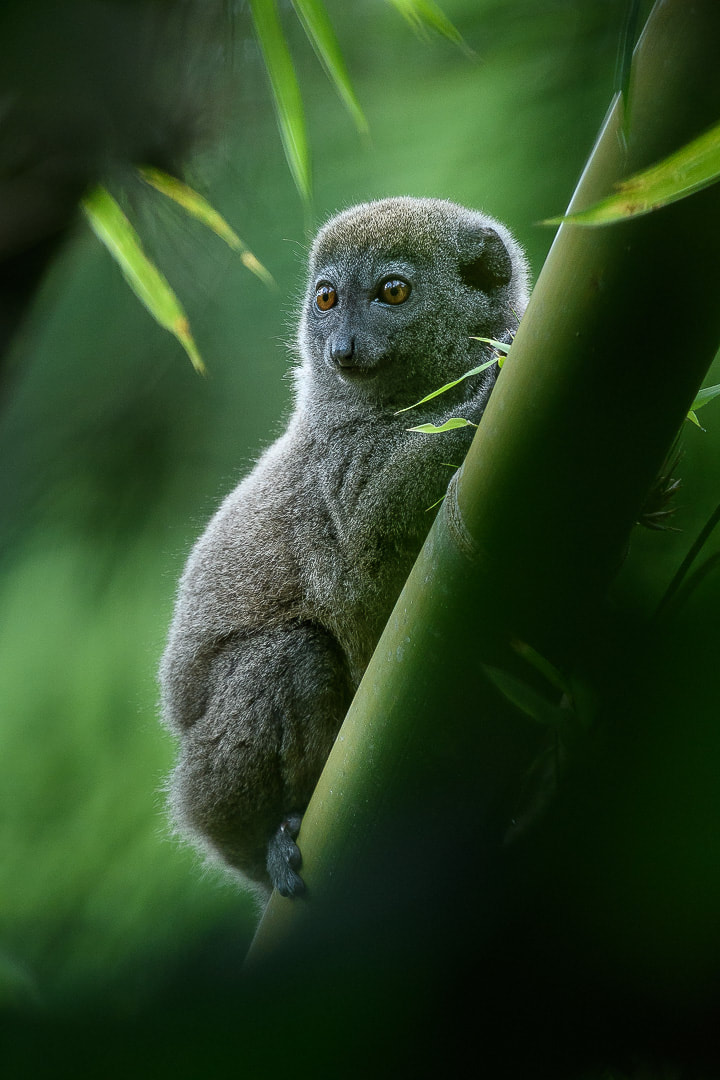
A Northern Bamboo Lemur (Hapalemur occidentalis) in the foothills of Marojejy National Park, one of at least five species of Hapalemur distributed throughout the forests of Madagascar. True to their name, these small lemurs subsist on a diet that consists largely of young bamboo leaves, a remarkable feat considering the high cyanide content found in the plant's tissues. It is still not completely understood exactly how these lemurs are able to survive on a diet so tainted with cyanide that it would kill much larger animals.
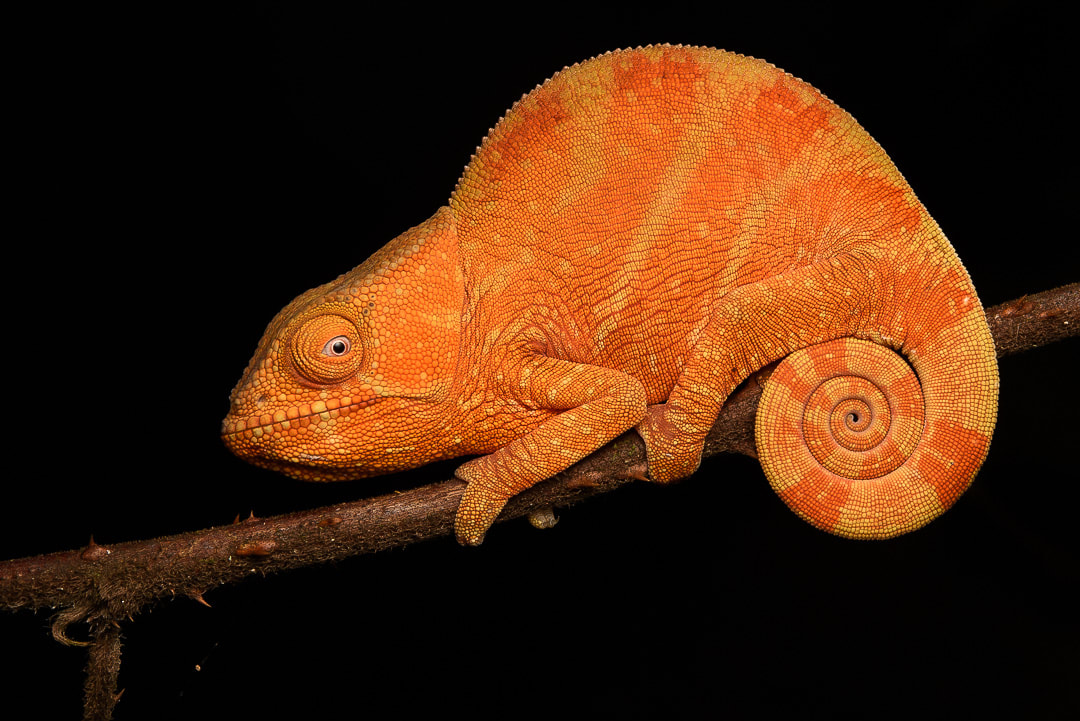
A juvenile Parson's Chameleon (Calumma parsoni). More frequently occurring in shades of green, this is one of the world's largest chameleons, with adult specimens sometimes reaching the size of a house cat. They are endemic to rainforest habitats on Madagascar and are threatened by both habitat loss and collection for the international pet trade.
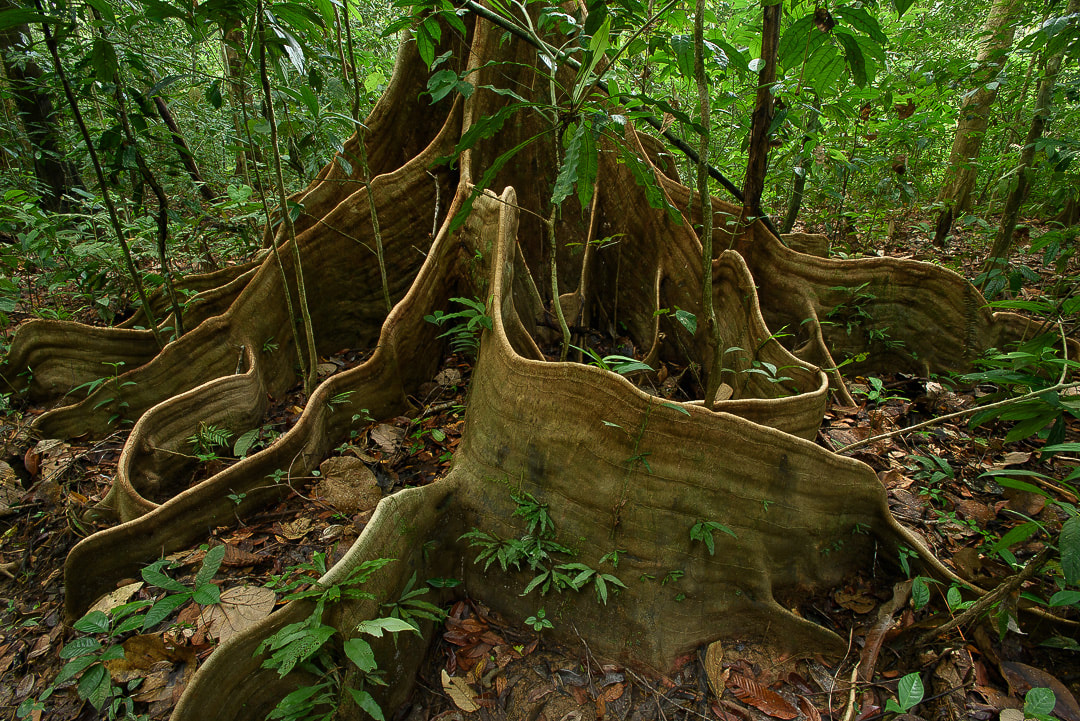
A large fig tree (Ficus sp.) with imposing buttress roots dominates the forest scenery in Tangkoko National Park, North Sulawesi.
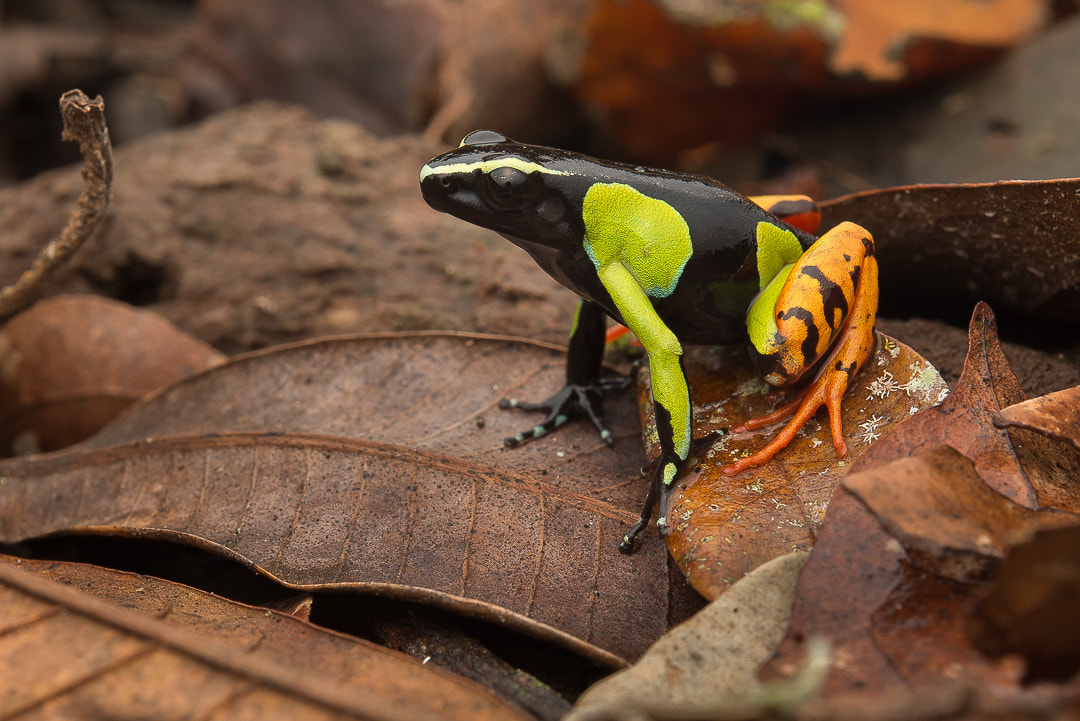
Baron's Mantella (Mantella baroni). Like little jewels of the forest floor, the wonderfully colorful Mantella frogs (family Mantellidae) comprise 16 known species, all of which are endemic to Madagascar. Although unrelated, Mantellas show remarkable convergence with Central and South America's poison dart frogs (family Dendrobatidae), and share a number of common features including skin toxicity (acquired from their diet, primarily ants), diurnal behavior, and bright warning colorations. Tomasina, Madagascar.
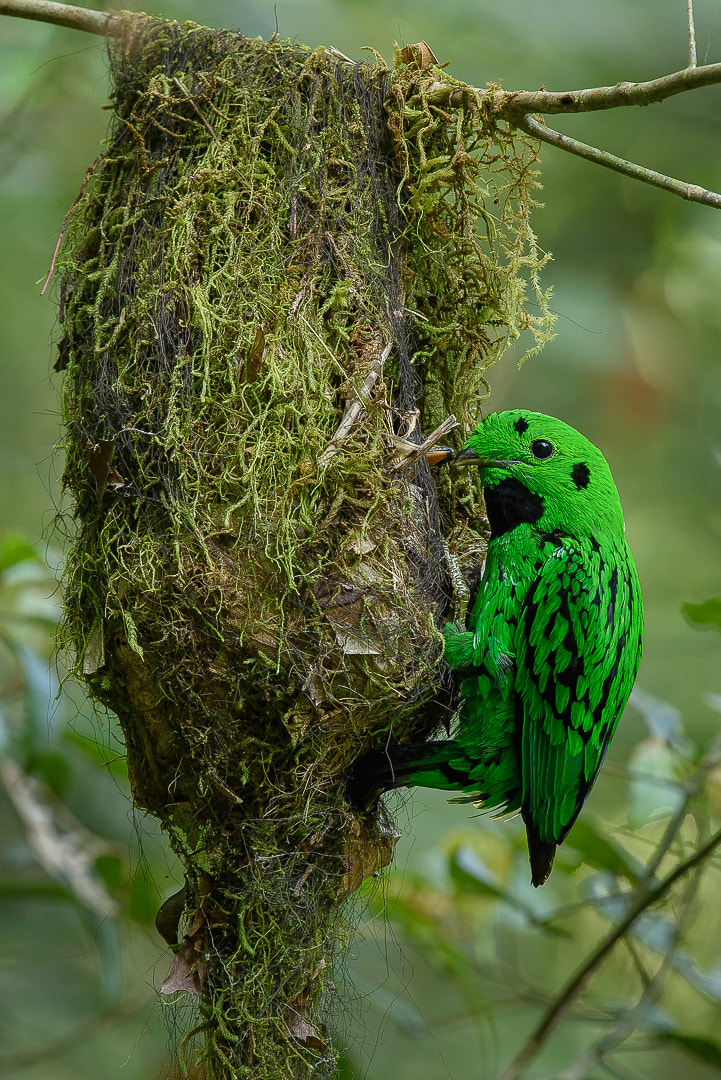
A male Whitehead's Broadbill (Calyptomena whiteheadi) returns to its nest where it passes food to the hungry chick. Both male and female care for the nestlings, providing insects and fruit, as well as removing fecal pellets. This scarcely-seen species is the largest of all the green broadbills (reaching 27cm in length) and is endemic to the montane forests of Borneo. Sabah, Malaysia.
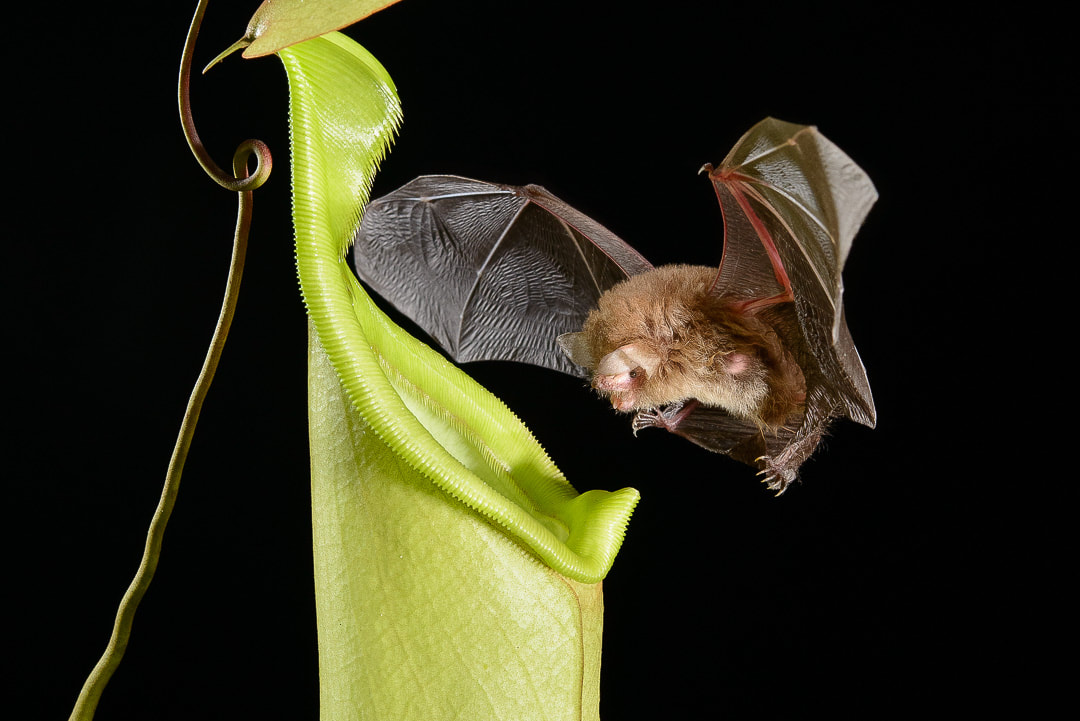
A Hardwicke's Woolly Bat (Kerivoula hardwickii returns to its roost in a pitcher of Nepenthes hemsleyana. This recently discovered mutualism benefits both parties. The bats obtain a secure shelter safe from predators and rain, and the plants derive a significant portion of their nitrogen from the bat's droppings. Belait, Brunei Darussalam (Borneo).
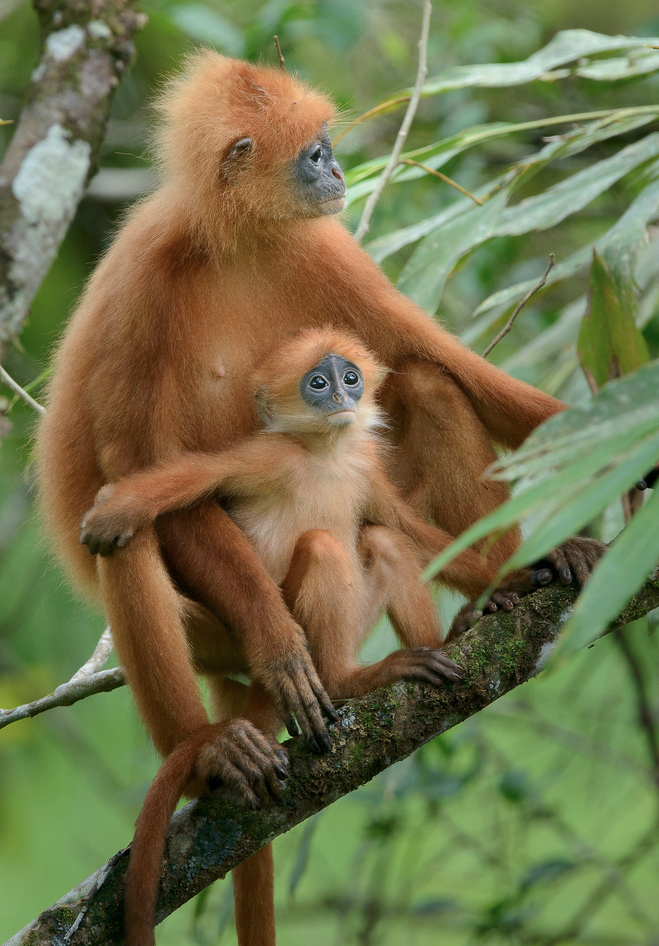
The Maroon Langur (Presbytis rubicunda), also known as the Red Leaf Monkey, is endemic to Borneo and nearby Karimata Island, with several subspecies occurring throughout its range. Like other leaf monkeys they are almost completely arboreal and feed on foliage, seeds, and some fruits. Sabah, Malaysia
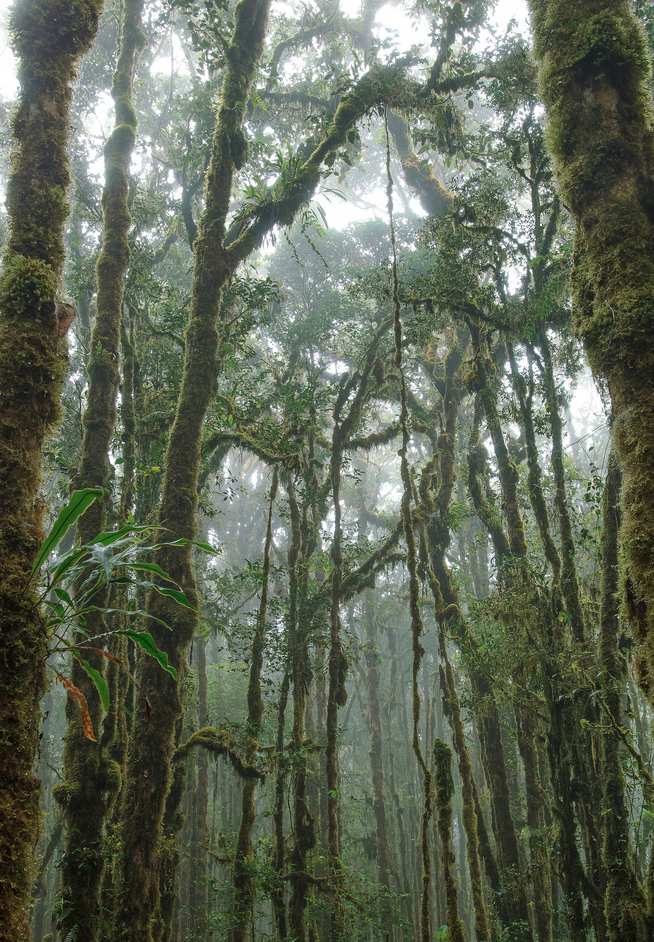
The trees in montane mossy forest are typically laden with epiphytic plants, such as on this mountain summit in Lore Lindu National Park. Central Sulawesi, Indonesia
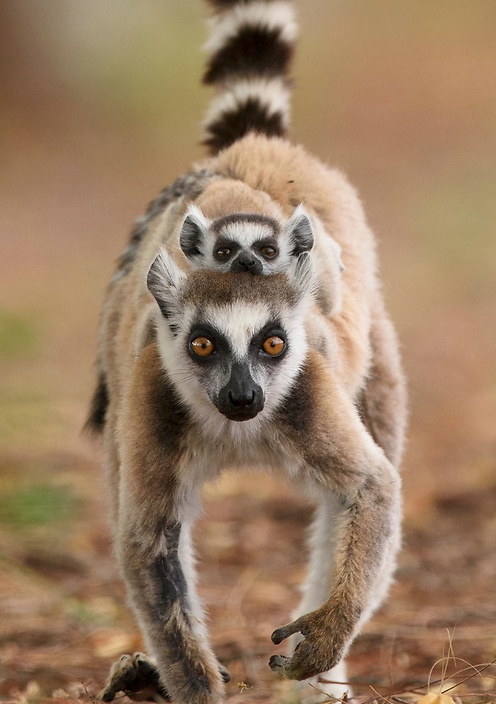
Young Ring-tailed Lemurs (Lemur catta) will transition from riding on the belly to the back of their mother after 4-6 weeks of age. Toilara, Madagascar.
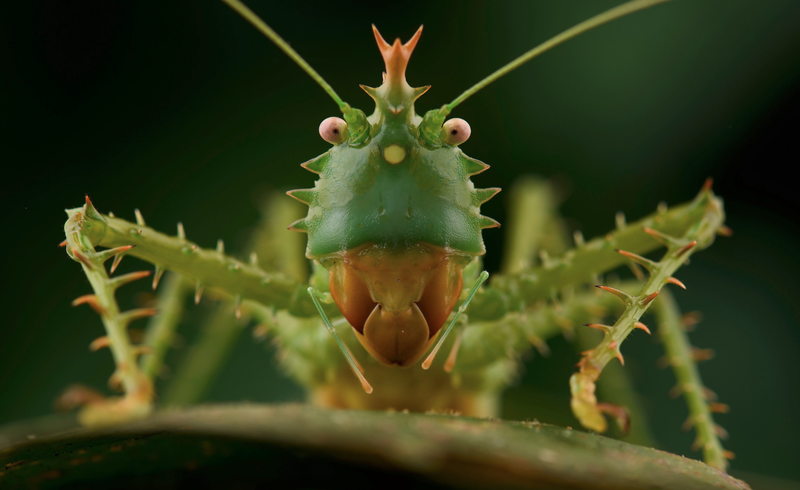
With its fearsome appearance, the Spiny Devil (Panacanthus cuspidatus) surely ranks as one of the most impressive of all katydids. Endemic to the upper Amazon Basin, this large insect uses its prickly front legs in self-defense and also capture prey - it feeds both on vegetation and other insects. Yasuni National Park, Ecuador.
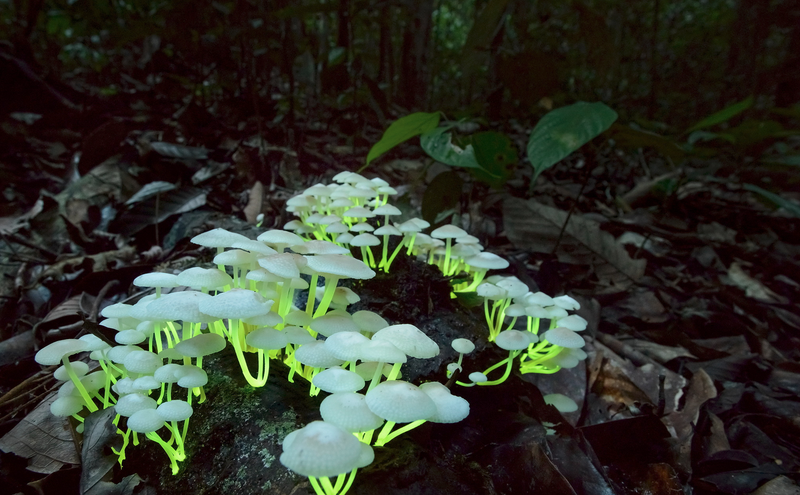
The luminescent nature of a cluster of seemingly ordinary mushrooms (Favolaschia manipularis) becomes revealed in the darkening dusk of the Borneo rainforest. Sabah, Malaysia.
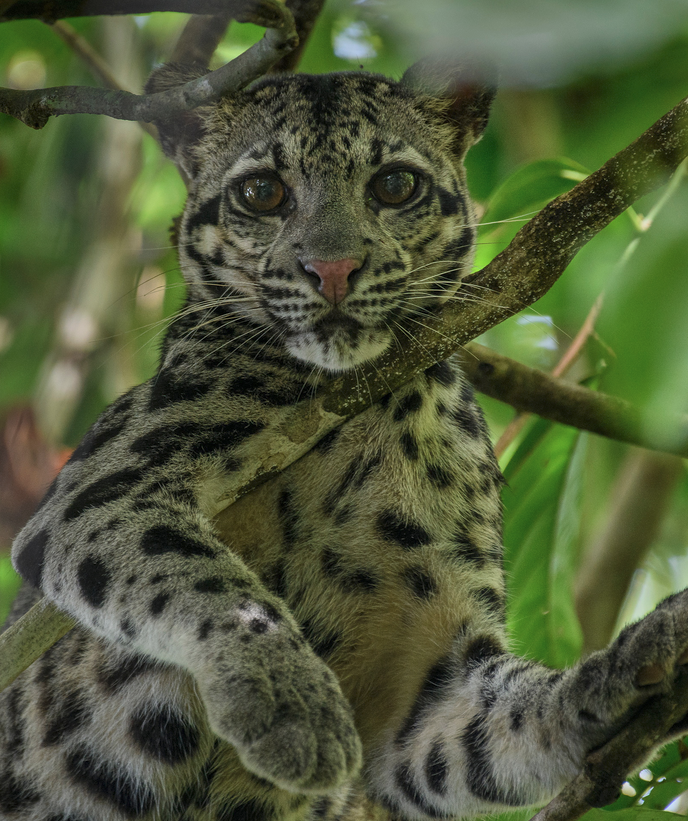
Sunda Clouded Leopard (Neofelis diardi). Kinabatangan Wildlife Sanctuary, Sabah, Malaysia (Borneo).
Now that you understand the critical importance of rainforest preservation, join us in making a difference.
Join our mailing list by emailing action@worldrainforest.org