The World Rainforest Fund is a non-profit organization founded in 1984, dedicated to preserving biodiversity and saving rainforests worldwide. We empower indigenous people to save their rainforest homes by giving grants to worthy organizations and through public education.
In this time-lapse satellite imagery of the Rodinia region of the Amazon in Brazil, yellow-outlined areas have been successfully protected over time from deforestation by local and indigenous people of the rainforest. Areas outside of the yellow outlines were not protected by local and indigenous people.
Rainforests are Earth's most biodiverse ecosystems, containing half of all species on the planet, and their preservation is critical for multiple interconnected reasons. They serve as massive carbon sinks that help regulate climate by absorbing CO₂ through photosynthesis, but when destroyed, they release stored carbon and contribute approximately 17% of global emissions, creating a dangerous feedback loop with climate change.
These forests regulate both global and local water cycles, with their destruction causing droughts and floods far beyond their borders, including reduced rainfall in regions like the U.S. Midwest and water shortages in cities like São Paulo. Rainforests are the source of many essential foods, medicines (including 70% of cancer-fighting drugs), and everyday products we use, while also harboring millions of undiscovered species that could provide future medical and agricultural breakthroughs.
They are home to indigenous peoples whose traditional knowledge about medicinal plants rivals that of university botanists, and who serve as natural forest protectors. The economic value of rainforest biodiversity alone is estimated at 2-5 trillion dollars annually, yet current destruction rates threaten to eliminate over three-quarters of unknown species before they can even be discovered.
Globally, rainforests are being destroyed at the rate of about 5 acres every second, or 300 acres per minute. We are losing over 80,000 acres, and significantly degrading another 80,000 acres, of tropical rainforest every day.
Every year, the area of rainforests destroyed is equal to one half the size of the state of California. The destruction of rainforests alone is causing the extinction of 135 plant and animal species every day, which is almost 50,000 species a year!
According to the United Nations' Food and Agriculture Organization, overall tropical deforestation rates this decade are 8.5 percent higher than during the 1990s. If the destruction is not stopped, rainforests will cease to exist except in a few protected areas within 60 years.
Both local residents of the rainforest and large corporations destroy the rainforest for economic development such as to extract resources including wood, oil, and minerals, to clear way for farmland, and to generate electricity from very large dams.
But the methods employed by these groups are frequently economically short-sighted because structures built in the rainforest deteriorate unusually rapidly due to acidic corrosion from the rotting dead trees, and also because important sources of water become polluted and unusable.
Climate change, which we are all contributing to, is playing a key role in rainforest loss, as it causes droughts by reducing the capability of air to retain moisture.
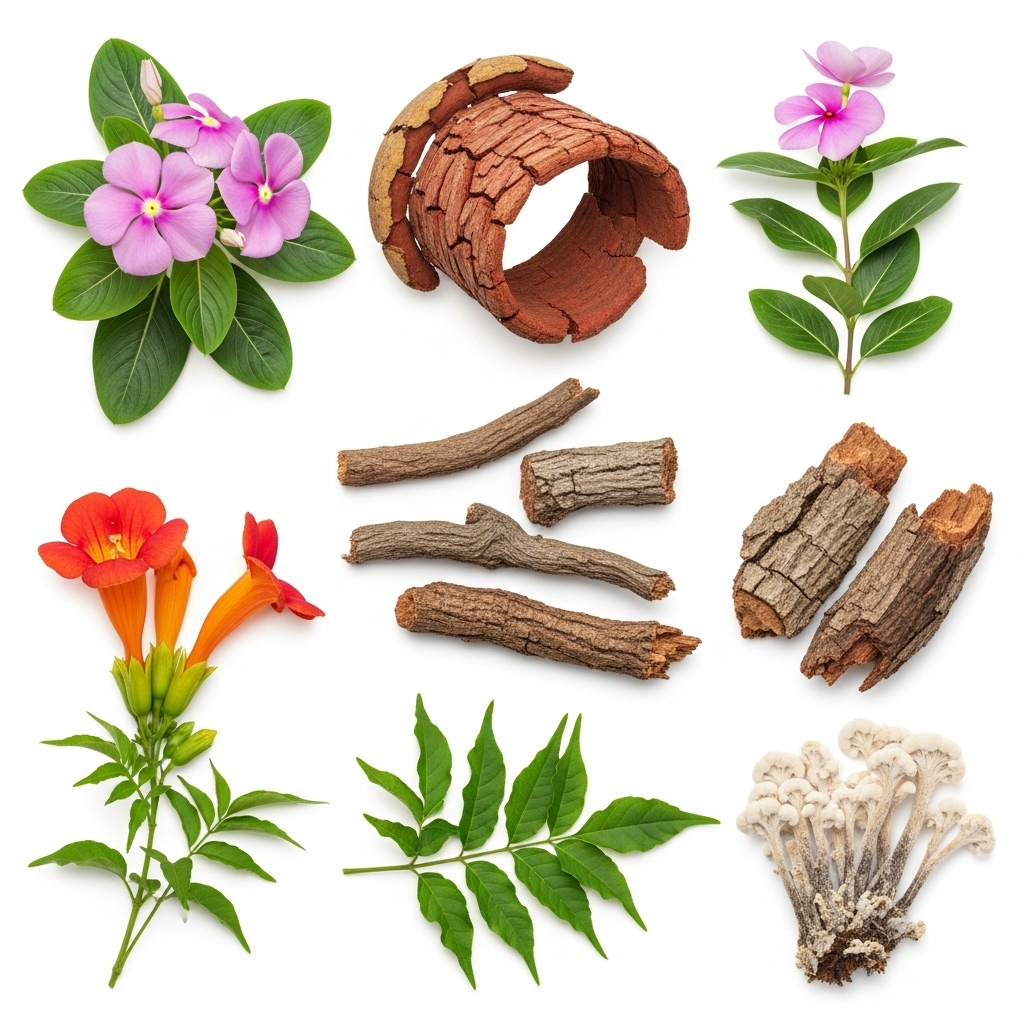
More than one fourth of the medicines we use today have their origins in rainforests, and only 1% of rainforest plants have been studied for their medicinal properties.

Coffee, chocolate, bananas, avocados, mangos, Brazil nuts, cashews, coconuts, rice, corn, and many more foods originated in the rainforest.

Black pepper, cinnamon, cloves, vanilla, ginger, turmeric, cardamom, and numerous other spices all originated in rainforests.
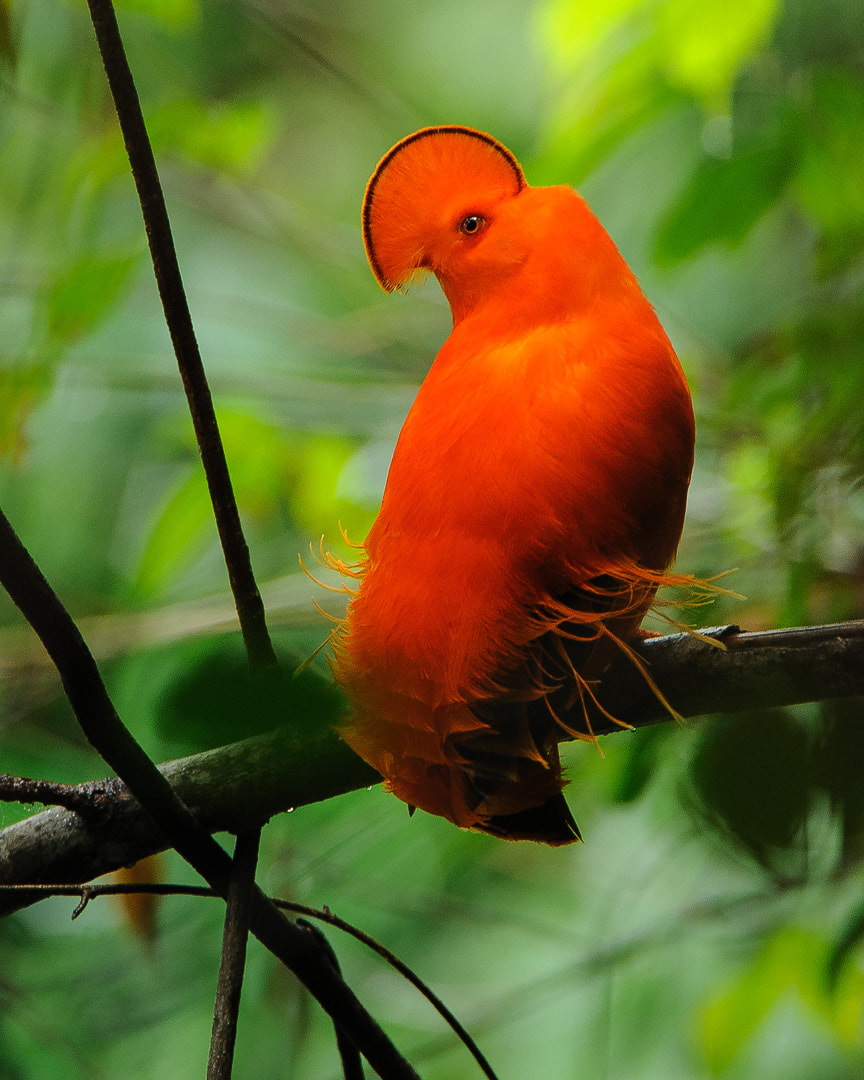
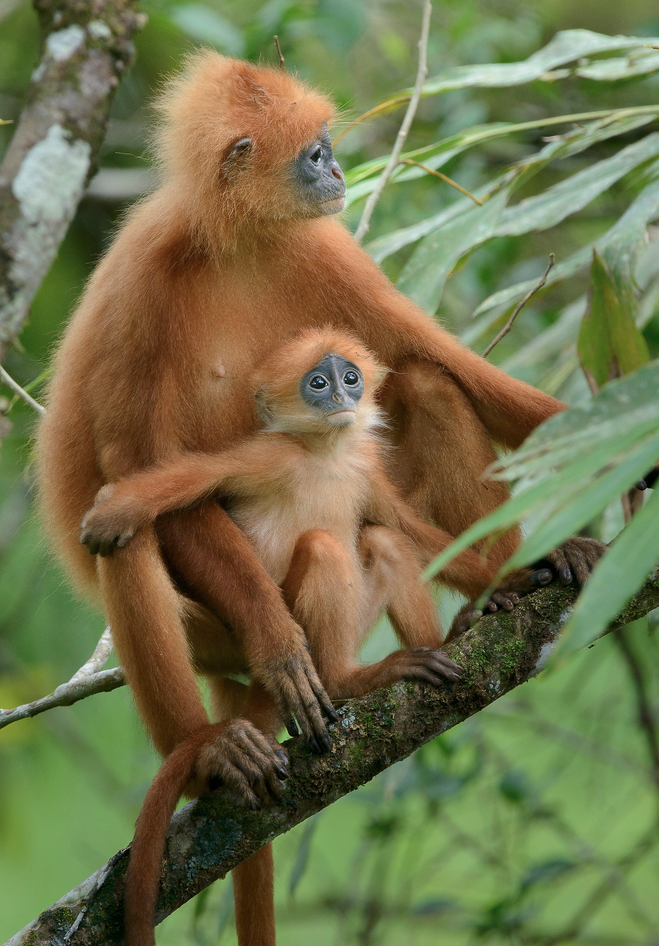
Rainforests are home to half of the Earth's plant and animal species. We are far from finished discovering useful and valuable species in the rainforest, therefore preserving rainforest is a smart economic move.
The World Rainforest Fund provides grants to worthy, qualified non-profit organizations doing projects of special value to conserve rainforests.
Read more about our projects and grants →
Our advisory board is highly qualified and experienced in rainforest preservation and the operation of nonprofits.


Now that you understand the critical importance of rainforest preservation, join us in making a difference.
Join our mailing list by emailing action@worldrainforest.org